




For every person living with CIDP (chronic inflammatory demyelinating polyneuropathy), each journey is unique. Because this condition affects everyone differently, doctors and researchers are always looking for new and better ways to understand and treat it.
But progress can only happen with the help of people like you. By joining a research study, you can take an active role in your own care while sharing valuable knowledge with the CIDP community.
If you have ever thought about joining a study, you might have heard 2 terms: clinical trials and real-world studies. Let’s break down what they mean so you can feel confident choosing what’s right for you.
Clinical trials

To make the process manageable and precise, clinical trials move through a series of step-by-step stages called “phases.” Each phase focuses on a specific goal, starting with small groups to evaluate safety and gradually expanding to larger groups to measure effectiveness. A treatment cannot be approved for general use until it successfully passes these phases, creating a track record of safety and success.
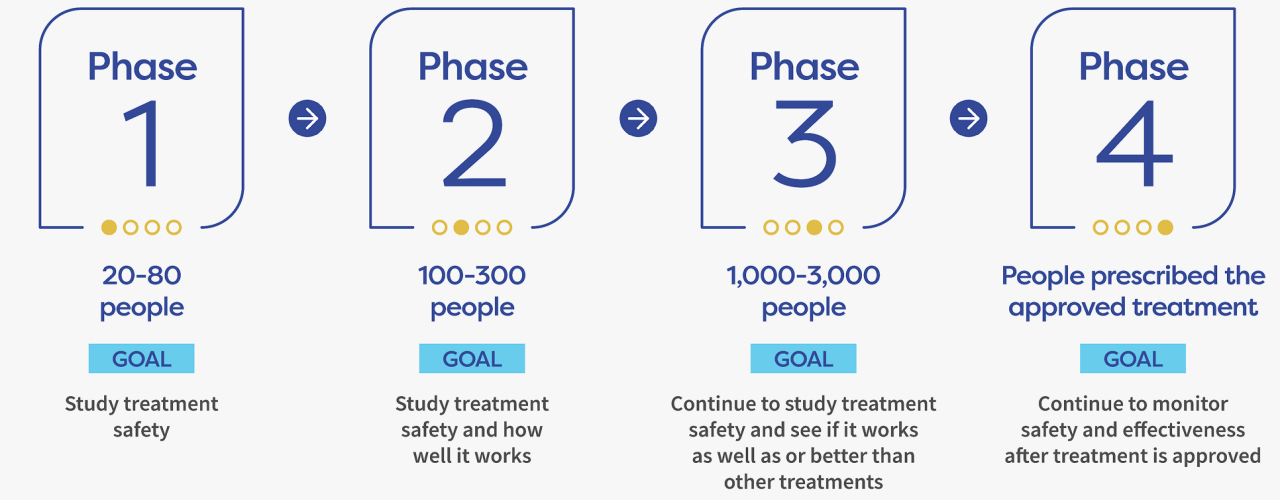
It is important to note people can have different experiences with CIDP treatments. Whether you are currently treating your CIDP or not, you may feel like you are out of options. Joining a clinical trial could give you a chance to try a brand-new treatment option while getting care from CIDP specialists. Plus, the cost of care is often covered by trial sponsors.

Real-world studies

A real-world study evaluates how treatments or products perform in everyday life. The process begins by tracking real-life data—from wearable devices, health records, and user feedback—while participants maintain their normal routines, diets, and schedules.
Researchers then analyze these diverse, authentic experiences to deliver practical, trustworthy evidence. This helps provide proven, actionable insights into how a product truly works, which can empower people to make smarter health decisions with confidence.
No matter how you feel about the results you’re getting from your current treatment, you might think a research study isn’t for you. But your daily experience is a gift! By sharing how you feel and how you live with CIDP, you help doctors learn how to give better care. Your experience can also shed light on how different people react to CIDP treatments.

6 common myths about clinical trials and real-world studies
Medical research can feel intimidating, and it is completely normal to have questions or hesitations about how it all works. Misunderstandings often cause people to miss out on options that could really benefit their health or help others.
Let’s explore a few myths about each and help to put your mind at ease.





 Facebook
 X
X Pinterest